
Here our some of our tips to help keep your houseplants happy during the warmer season.
Moving your houseplants: While we are lucky in the shop that our window faces north, we know our plants still quickly get dehydrated. Moving baby plants further back into the room can help keep them moist for longer. In brighter spots, such as south or even east or west facing windows, larger houseplants can easily get scorched as the direct sunshine is too intense for tropical plants. Moving them a little further from windows is a quick and easy way to help prevent sun damage.
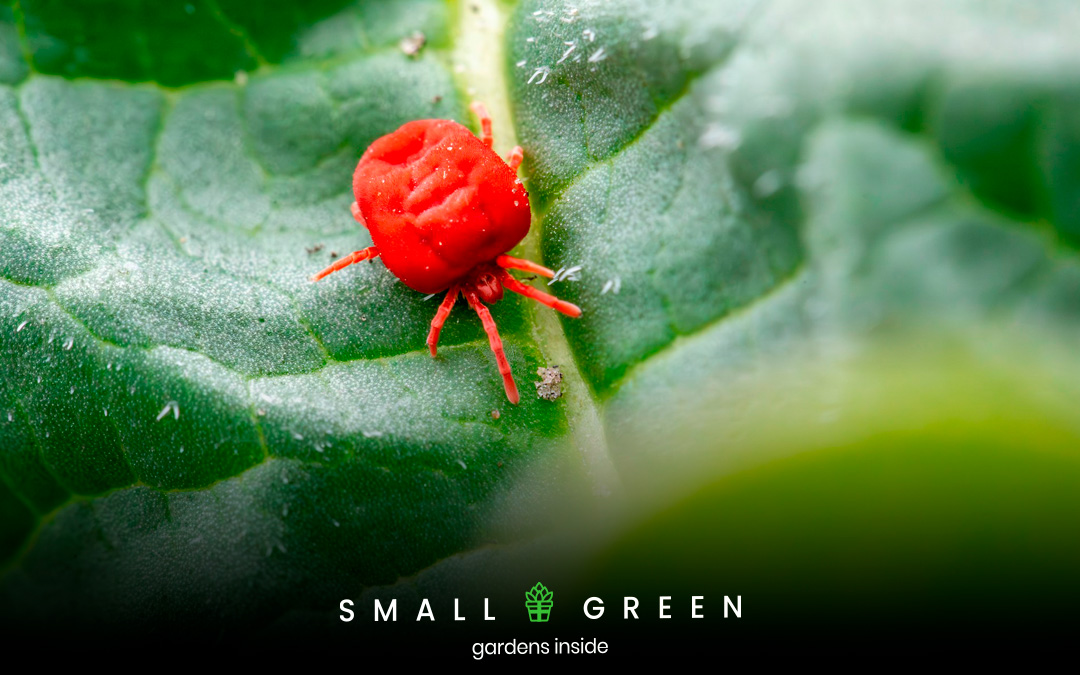
Checking plants regularly: This a good policy around this time of year, to help keep on top of watering but also to keep an eye out for pests. Things like red spider mites love hot, dry conditions and are hard to spot. Red spider mites are tiny, 1mm, sap sucking pests. They are bright orange-red in winter which makes them easier to spot and they are often yellowish-green during the active summer months.
Signs of red spider mites:
- Leaf mottling: Fine, pale yellow or white speckling on the top surfaces of leaves.
- Discolouration: Leaves may turn a dull green, bronze, or yellowish-white as cell damage progresses.
- Fine webbing: Characteristic silky webbing found along stems and under the leaves.
- Shedding: Wilting, shrivelling, or premature leaf drop.Preventing and tackling red spider mites:Spider mites hate humidity. Keeping your well-watered, or in a higher humidity environment can help deter them.
However, if an infestation does occur, these tips may prove useful:
- Physical removal: Isolate the plant and wipe or spray the leaves with water to dislodge the mites and dust.
- Organic sprays: Use ready-to-use insecticidal soaps or horticultural oils to safely coat and smother the mites. We sell one type, which works well: Red Spider Mite Control
These are good tips for plants that don’t mind their leaves getting wet but things like begonias tend to scorch if water falls on their leaves and certain succulents have a protective dust coating which you do not want to dislodge or coat in oils or sprays. For plants that need more care with their foliage, we recommend biological controls.
- Biological controls: Introduce natural predators like the predatory mite Phytoseiulus persimilis or Amblyseius andersoni to eat the mites and their eggs. We recommend using Ladybird plantcare — they are a great shop for biological controls.
Photo by Erik Karits on Unsplash